The Zero-Waste Bathroom Swap That Actually Works (And Doesn't Smell Weird)
Switching to bar soaps and shampoos eliminates 10+ plastic bottles yearly. Here's why the modern versions are nothing like your nan's soap dish.
HOMEWORLDSHOPPING


Remember that drawer full of half-empty shower gel bottles? The graveyard of shampoos that didn't quite work out? The hotel miniatures you're definitely going to use someday?
What if you could replace all of that with a few bars that take up less space than your phone?
The Plastic Problem Nobody Talks About
Average UK bathroom contains:
2-3 shower gels
2-3 shampoos/conditioners
Face wash
Various other potions
That's 10-15 plastic bottles replaced every few months. Even if you recycle religiously (only 12% of bathroom plastics actually get recycled), that's mountains of unnecessary plastic.
One bar replaces one bottle but lasts just as long. Sometimes longer. Do the maths.
Why Bars Got Good (Finally)
Let's address the elephant in the room: traditional soap bars were rubbish. They left that weird film, turned to mush, and made your skin feel like sandpaper.
Modern bars? Completely different game:
Proper formulations that actually moisturise
Shampoo bars that genuinely clean without stripping
No more soap scum or mushiness
Scents that rival any bottled product
This isn't your school's carbolic soap anymore.
The Transition Truth
Week 1: "This feels weird. Where are the bubbles?"
Week 2: "Actually getting used to this..."
Week 3: "Why is my hair/skin better than before?"
Week 4: "Never going back to bottles."
Yes, there's an adjustment period. Your hair especially might feel different initially. That's not the bar failing - it's your hair adjusting to not being coated in silicones.
What Actually Works (And What Doesn't)
Easy switches:
Hand soap → bar soap (obviously)
Shower gel → soap bar (countless good options)
Face wash → cleansing bar (gentler than you'd think)
Trickier transitions:
Shampoo → shampoo bar (hair type matters)
Conditioner → conditioner bar (technique is everything)
Shaving cream → shaving bar (needs practice)
Still need bottles:
Prescription treatments
Specific skin conditions
Some hair types during transition
The Shampoo Bar Reality
Here's what nobody tells you about shampoo bars:
The good:
Last 60-80 washes (2-3 bottles worth)
Travel without liquid restrictions
No spills in your bag ever
Often better ingredients than liquid
The learning curve:
Lather in hands first, not directly on hair
Need proper storage (not sitting in water)
Different brands work for different hair
Might need apple cider vinegar rinse initially (depends on the bar)
Bar Shopping: What to Look For
Soap bars:
Olive oil or shea butter base (moisturising)
Avoid palm oil if possible
Natural fragrances over synthetic
Proper soap, not detergent bars
Shampoo bars:
SLS-free if you have sensitive scalp
Match to hair type (oily/dry/coloured)
Read reviews for your hair texture
Start with well-rated brands
Face bars:
Non-comedogenic ingredients
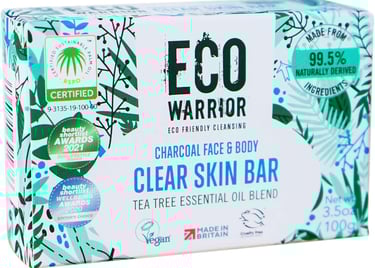
Charcoal for oily skin
Honey/oats for sensitive
Gentle pH balance
Storage Solutions That Work
The fastest way to waste a bar? Leave it in standing water.
Winners:
Wooden soap dishes with drainage
Sisal soap saver bags (hang to dry)
Magnetic soap holders (surprisingly good)
Travel tins with holes
Losers:
Built-in shower shelves (water pools)
Closed containers (hello, mush)
Direct shower spray zones
The Cost Conversation
Quality bars: £4-8 each
Equivalent liquid product: £3-6
But bars last 2-3x longer
Actual cost: About the same or less
Plus no plastic tax on your conscience.
Common Mistakes to Avoid
Buying cheap bars: The £1 ones are usually harsh detergents. Invest in quality.
Not letting them dry: Soggy bars dissolve fast. Proper drainage doubles lifespan.
Giving up too quickly: Hair especially needs 2-3 weeks to adjust.
Travel paranoia: They're solids. Airport security doesn't care. Pack freely.
Who This Really Works For
Bar converts tend to be:
Fed up with bathroom plastic
Minimalists who like simplicity
Travelers tired of liquid limits
Anyone with decent water (hard water is trickier)
People ready for slight habit changes
Maybe wait if:
You have specific scalp conditions
Extremely processed/damaged hair
No space for proper bar storage
Hate any change to routines
The Environmental Win
Beyond the obvious plastic reduction:
No water shipped (bars are concentrated)
Minimal packaging (usually paper/cardboard)
Lower transport emissions (lighter, smaller)
Often local/small business options
Biodegradable product and packaging
Every bar bought is one less plastic bottle in the ocean. Or landfill. Or incinerator.
Making the Switch Stick
Start with hand soap (easiest win)
Try one shower product at a time
Give each product 3 weeks minimum
Find your favourite brands before switching everything
Invest in proper storage from day one
The Bottom Line
Switching to bars isn't about perfection or going full zero-waste overnight. It's about reducing the pointless plastic in your bathroom while discovering products that often work better than their bottled counterparts.
Start with one bar. See how it goes. Your shower shelf will be cleaner, your conscience clearer, and surprisingly, your skin and hair might actually thank you.
Plus, never again will you stand in the shower trying to squeeze the last drops from a bottle. That alone is worth the switch.
Ready to Ditch the Bottles?
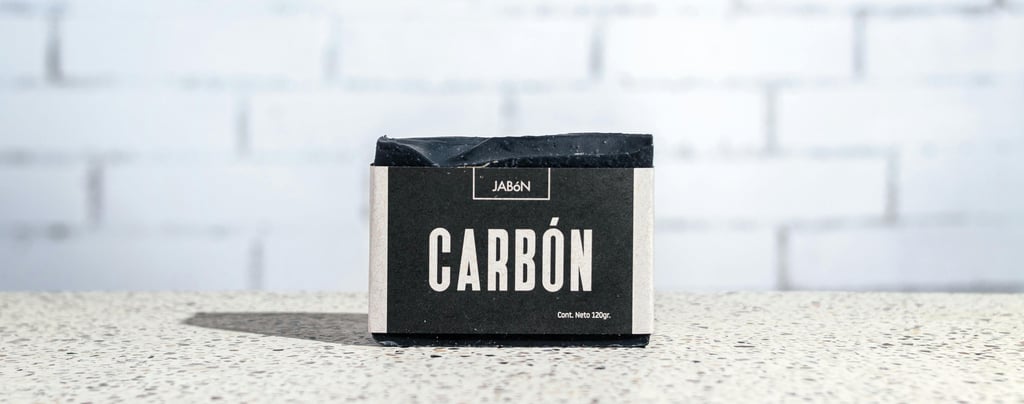
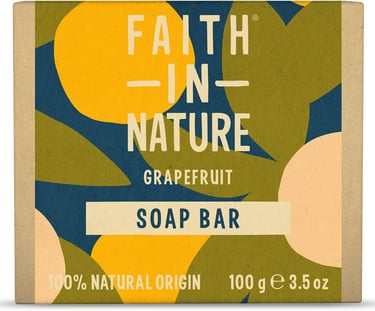
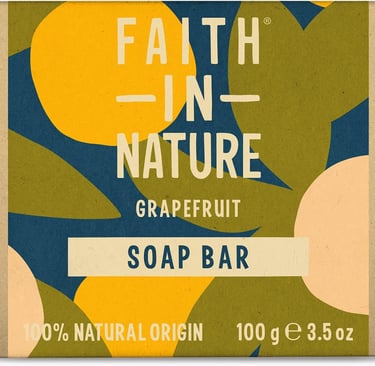
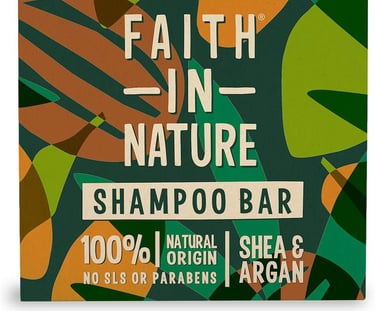
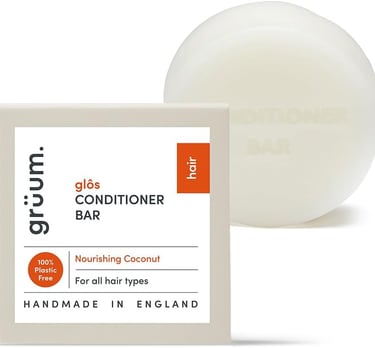
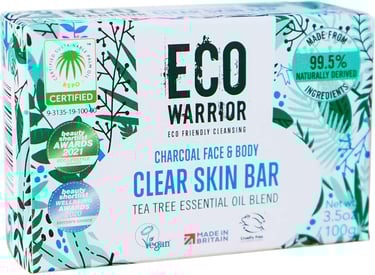
If you're ready to try the bar life, start with these highly-rated options that make the transition easy: