The Plant Parent Hack That Stops Your Greenery Dying Every Holiday
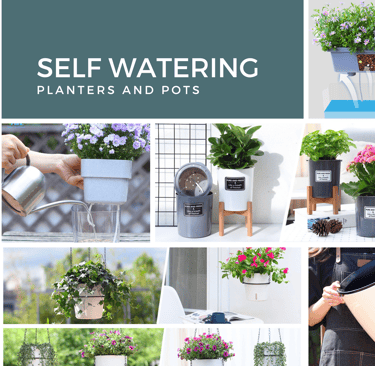
Self-watering planters can keep plants alive for 2-4 weeks unattended. Perfect for serial plant killers and frequent travellers.
HOMEGARDENTIME

Time Saved: ★★☆☆☆ | Cost-Effectiveness: ★★☆☆☆
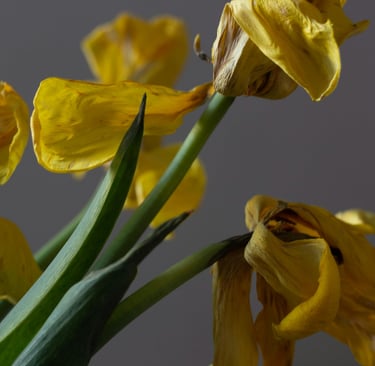
Be honest. How many houseplants have you murdered? That peace lily from your mum. The "unkillable" succulent. The herbs that lasted exactly one week before becoming crispy twigs of shame.
The problem isn't that you're a plant serial killer. It's that plants are needy little things that want water on their schedule, not yours.
What Self-Watering Planters Actually Do
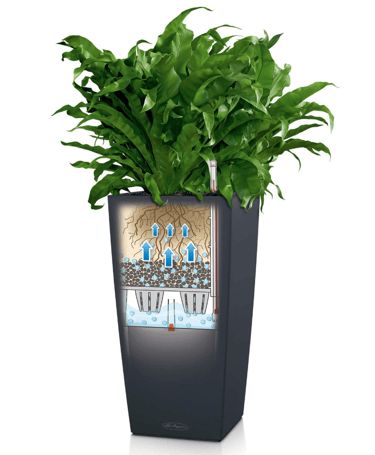
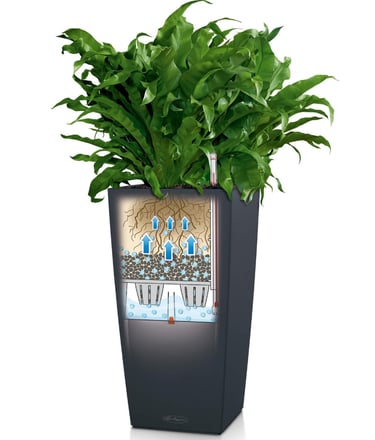
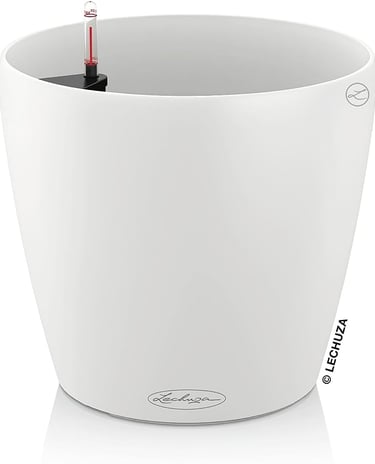
Forget the name - they don't water themselves (disappointing, I know). What they do is create a reservoir system where plants can drink when they're thirsty, like a water cooler for your ficus.
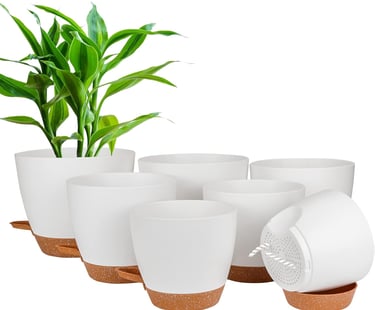
Water sits in a chamber below the soil. Wicks or roots draw it up as needed. You fill the reservoir every few weeks instead of watering daily. Your plants get consistent moisture. Everyone's happy.
The Reality Check on Time Savings
Let's be clear: we're not talking hours here.
Traditional watering: 5-10 minutes every few days
Self-watering: 5 minutes every 2-4 weeks
Weekly time saved: About 10-15 minutes
Not massive, but it's the consistency that matters. No more panic-watering before holidays or coming home to plant graveyards.
Who These Actually Help
Self-watering planters make sense if you:
Travel frequently (even just weekends away)
Forget to water until leaves go crispy
Have lots of plants (time savings multiply)
Work long hours (one less daily task)
Want plants but accept you're terrible with them
Skip them if you:
Enjoy the daily watering ritual
Only have succulents (they prefer dry conditions)
Have just one or two plants
Are on a tight budget (they're pricey)
The Good, The Bad, and The Ugly Truth
The Good:
Plants survive holidays and busy weeks
More consistent growth (steady moisture = happy roots)
Visual indicators show when to refill
Less frequent watering means less opportunity to forget
The Bad:
Initial cost of buying
Some plants hate constantly moist soil
Still need monitoring (not magic)
Mosquitoes love standing water in outdoor versions
The Ugly:
They're mostly plastic and not pretty
Switching existing plants means repotting everything
Reservoir can get funky if not cleaned
You'll still kill plants, just more slowly
What Actually Works (And What's Marketing Nonsense)
Actually useful features:
Water level indicators (know when to refill)
Overflow drainage (prevents root rot)
Decent reservoir size (2+ weeks capacity)
Marketing fluff:
"NASA technology" (it's a wick and water)
"Smart watering system" (gravity isn't smart)
"Never water again!" (lies)
Indoor vs. Outdoor Considerations
Indoor planters:
Smaller reservoirs (1-2 week capacity)
Better looking options available
Perfect for holidays and offices
Watch for gnats in standing water
Outdoor planters:
Larger reservoirs needed
Must have overflow for rain
Great for tomatoes and herbs
Potentially ugly but functional
The Plants That Love These Things
Winners: Peace lilies, ferns, herbs, tomatoes, African violets
Losers: Cacti, succulents, orchids, anything that likes to dry out
DIY vs. Buying: The Truth
Pinterest is full of DIY self-watering planter tutorials. Wine bottles, string wicks, cut plastic bottles. They work... sort of. For about a week. Then they overflow, dry up, or look so terrible you bin them.
Spend the £20 on a proper one. Your plants (and sanity) will thank you.
Common Mistakes to Avoid
Overfilling: More water ≠ longer lasting. Follow the fill line.
Wrong plants: Research before converting everything.
Ignoring completely: They're low-maintenance, not no-maintenance.
Cheap versions: The £5 ones leak. Invest in better-rated options from trusted suppliers - it's worth the extra tenner.
Not cleaning: Algae and mineral buildup are real. Clean seasonally.
Real-World Expectations
Week 1: "This is brilliant! Why didn't I do this sooner?"
Week 4: "Oh right, need to refill these."
Holiday return: "My plants are alive! Actual witchcraft!"
Month 6: "Still refilling every few weeks. Plants thriving. Decent investment."
The Cost-Benefit Reality
Average self-watering planter: £25
Number needed for decent collection: 4-6
Total investment: £100-150
Time saved weekly: 15 minutes
Plant survival rate improvement: Significant
It's not cheap, but neither is replacing dead plants constantly.
The Bottom Line
Self-watering planters won't revolutionise your life. They won't make you a plant expert. But they will keep your plants alive during busy weeks and holidays, which is more than most of us manage.
Start with one for your most-killed plant type. If it survives six months, consider expanding. Your brown thumb might just turn slightly green.
Ready to Stop Playing Plant Funeral Director?
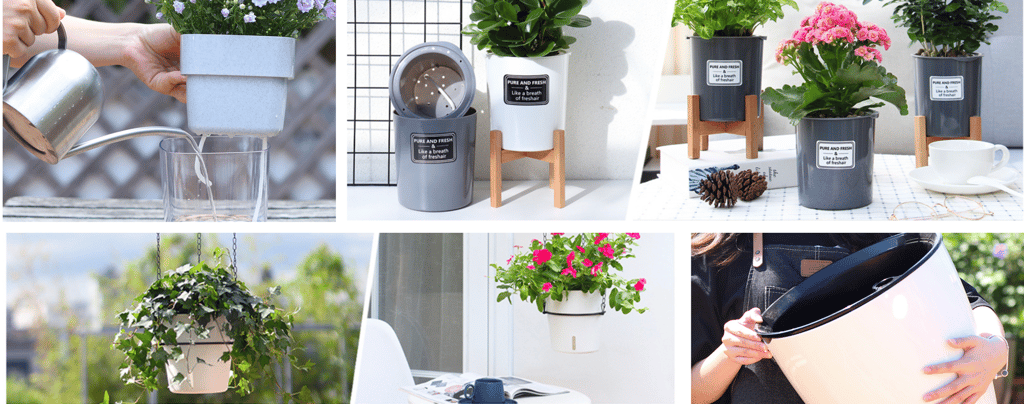
If you're tired of apologising to dead plants, here are some tried-and-tested self-watering options: