Why Your Strawberries Shouldn't Have More Air Miles Than You
Choosing local, seasonal produce cuts food miles by 95%. Here's how to actually do it without living next to a farm shop.
HOMEFOODWORLDSHOPPING


We've all seen those December strawberries from Egypt. The January asparagus from Peru. The year-round avocados that have travelled further than most of us manage on holiday.
It's convenient having everything available all the time. But when your green beans have a larger carbon footprint than your car, something's a bit off.
The Uncomfortable Truth About Food Miles
That innocent-looking punnet of raspberries from Morocco? It's travelled 1,500 miles to reach your local Tesco. By plane, most likely, because berries don't do well on three-week boat journeys.
Meanwhile, the same raspberries are growing 20 miles away at a pick-your-own farm. In season, obviously. Which is July to September, not February.
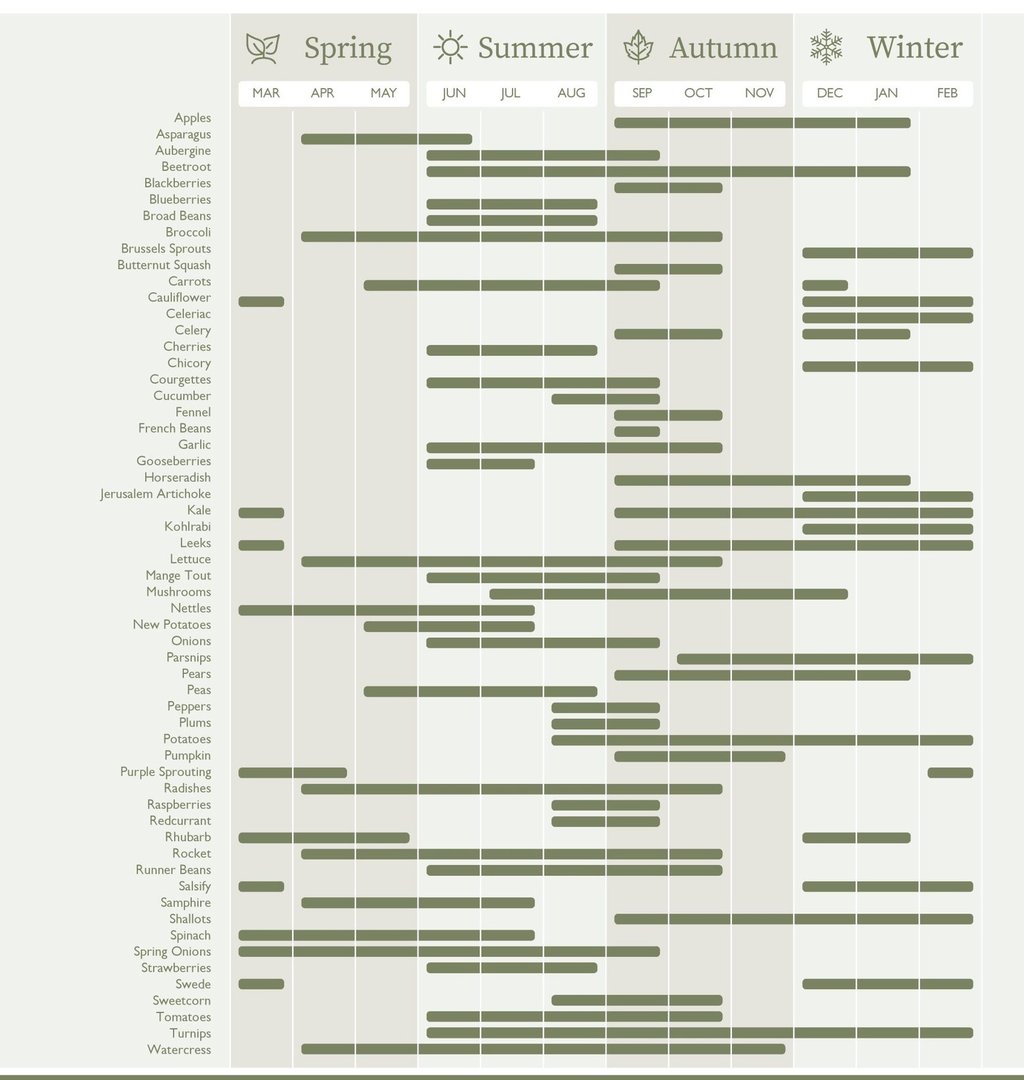
What "Seasonal" Actually Means in the UK
Here's what's genuinely in season when:
Spring (March-May): Asparagus, rhubarb, new potatoes, spring greens, radishes
Summer (June-August): Basically everything good - berries, tomatoes, courgettes, beans, salads
Autumn (September-November): Apples, pears, squashes, root veg, blackberries
Winter (December-February): Cabbages, leeks, parsnips, stored apples, Brussels sprouts (yes, really)
Not exactly Instagram-worthy in February, is it?
The Reality of Shopping Local
Let's be honest - most of us aren't driving to farms every week. We're in Sainsbury's at 7pm after work, trying to remember what we need for dinner. So here's what actually works:
Check the labels: It's literally written there. "British carrots" vs "Moroccan carrots". Takes two seconds.
Shop the seasons: British strawberries in July? Brilliant. Chilean strawberries in January? Maybe just have an apple.
Find your local options:
Farmers' markets (usually weekends)
Veg box schemes (delivered weekly)
Farm shops (pricier but worth exploring)
Even supermarkets have local sections now
The Supermarket Reality Check
Since that's where 90% of us shop, here's how to be less terrible:
Look for the Union Jack: Not perfect (could still be from Cornwall when you're in Glasgow), but better than Peru.
Seasonal aisles: Most supermarkets now highlight British seasonal produce. It's usually cheaper too.
Question the obvious: Sweetcorn in March? Asparagus in October? If it seems wrong, it probably is.
Accept limitations: You can't have British mangoes. Ever. Make peace with this.
Why This Actually Matters (With Real Numbers)
Air-freighted produce creates 50x more emissions than local seasonal food. FIFTY TIMES.
Your weekly shop including air-freighted items: ~15kg CO2
Same shop, seasonal and local: ~0.5kg CO2
That's the equivalent of driving 40 miles. Every week. Just from choosing Kenyan beans over British cabbage.
But What About Nutrition/Variety/Not Eating Turnips All Winter?
Fair concerns. Here's the middle ground:
Mix it up: Eat mostly seasonal, add some imported staples (bananas, citrus in winter)
Frozen is fine: British summer berries frozen in July beat fresh February imports
Tinned works too: British tomatoes canned in season are better than fresh Dutch greenhouse ones
Get creative: Our grandparents survived without year-round asparagus. Their recipes were solid.
The Cost Question (Let's Address It)
Farmers' markets: Can be pricey for basics, great for treats
Veg boxes: Usually competitive with supermarket organic prices
Seasonal supermarket produce: Often the cheapest option
Farm shops: Expensive but worth it for special occasions
In-season local produce is usually cheaper than imported. Those British strawberries in June? Half the price of January imports.
Practical Swaps That Actually Work
Instead of year-round salad: Seasonal greens (watercress, rocket, winter salads)
Instead of imported tomatoes: British in summer, tinned in winter
Instead of air-freighted berries: British in season, frozen rest of year
Instead of Kenyan beans: British runners in summer, frozen otherwise
Finding Your Local Food Sources
Local producers: www.bigbarn.co.uk (find local food producers across the UK)
Veg box schemes: Search "veg box delivery [your area]"
Farm shops: www.farmretail.co.uk (directory of UK farm shops)
The Mindset Shift That Helps
Stop thinking "I can't have strawberries in winter" and start thinking "I get to have amazing strawberries in summer". Seasonal eating means food at its best, not deprivation.
Plus, November parsnips roasted with honey knock imported asparagus into next week. Fight me.
Small Changes, Real Impact
You don't need to become a turnip-obsessed locavore overnight. Start with:
Checking labels on five items next shop
Buying British when there's an option
Trying one seasonal vegetable you usually ignore
Not buying summer fruit in winter (revolutionary, I know)
The Bottom Line
Perfect local-only shopping isn't realistic for most of us. But choosing British carrots over Egyptian ones? Buying strawberries in June not January? That's doable.
Every local, seasonal choice cuts food miles dramatically. Your weekly shop won't save the planet alone, but thousands of us making these small switches? That's significant.
Plus, a proper British strawberry in June beats a pale February import every time. Some things are worth waiting for.