Your Phone Checks Are Costing You 2 Hours Daily (Here's How to Get Them Back)
The average worker loses 2.5 hours daily to distractions. Here's what actually works to reclaim your focus (and what's just productivity theatre).
TIMEWORKTECH
Time Saved: ★★★★☆ | Cost-Effectiveness: ★★★★☆
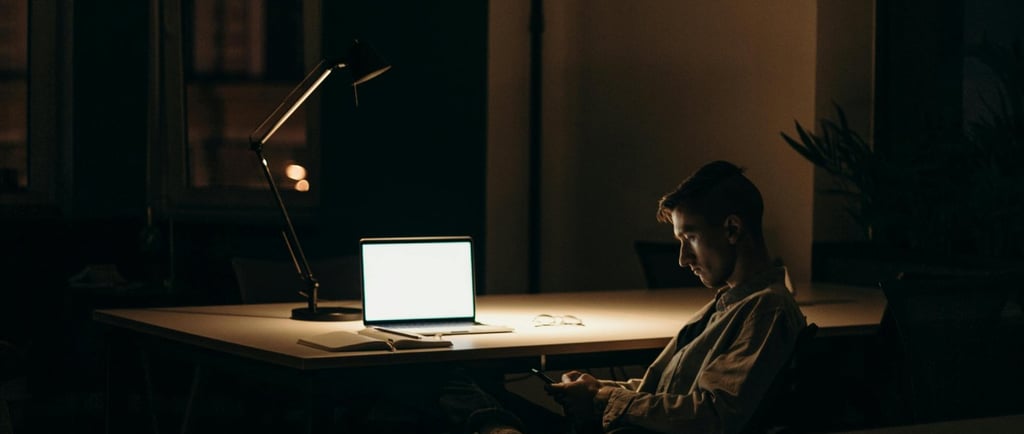
The average person checks their phone 96 times daily. Each check derails your focus for 23 minutes. Add in colleagues, emails, and that YouTube rabbit hole, and you're basically working 3 productive hours in an 8-hour day.
No wonder you're still at your desk at 7pm wondering where the day went.
The Distraction Reality Nobody Admits
We're not distracted because we're weak. We're distracted because everything is designed to distract us. Your phone, your inbox, Slack, Teams, news sites - they're all optimised to grab your attention.
Fighting this with willpower alone is like bringing a spoon to a gunfight.
What Actually Steals Your Time
The Big Three:
Phone checks (2+ hours daily)
Email/Slack monitoring (1+ hour)
Colleague interruptions (45 mins)
The Sneaky Ones:
Task switching (20% productivity loss each switch)
Background noise/music with lyrics
Cluttered workspace (visual distraction)
Open browser tabs (constant temptation)
Hunger/thirst (brain fog)
Phone Solutions That Actually Work
Nuclear option: Phone in another room. Can't check what you can't reach.
Compromise option:
Grayscale mode (makes phone boring)
App timers that actually lock you out
Focus mode blocking everything except calls
Phone face-down, on silent, out of sight
What doesn't work: "I'll just check less." You won't.
The Email/Slack Problem
Checking messages "real quick"? There's no such thing. Each check means:
Reading
Processing
Deciding (now or later?)
Mental note-making
Getting back to work
Remembering what you were doing
Total time: 5-15 minutes per check. Check 20 times daily? There are your missing hours.
The Fix: Batch checking. Set 3 times daily (9am, 1pm, 5pm). Everything else waits.
Dealing With Colleagues (Without Being Rude)
Visual cues that work:
Headphones (universal "don't talk to me" signal)
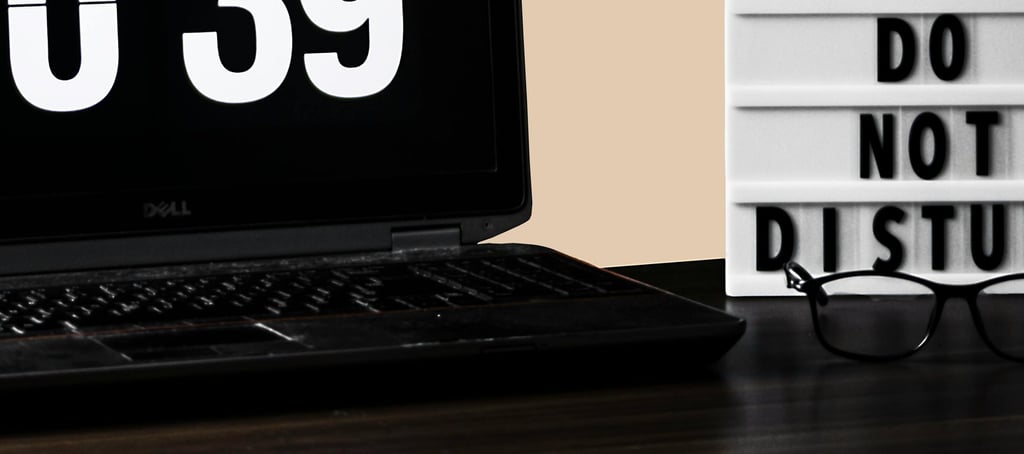
Small "focusing - back at 2pm" sign
Closed door if you have one
Sitting somewhere else temporarily
What to say:
"I'm on deadline until 2pm - can we catch up then?"
Simple, honest, effective.
The Pomodoro Truth
Everyone mentions Pomodoro (25 mins work, 5 min break). Here's what they don't tell you:
It works if:
You actually use a timer
You stop when it rings
You move during breaks
You protect those 25 minutes fiercely
It fails if:
You think "just 5 more minutes"
You check phone during breaks
You skip breaks (burnout incoming)
You don't prep properly first
Tech That Genuinely Helps
Website blockers:
Freedom (nuclear option - blocks everything)
StayFocusd (Chrome extension)
Cold Turkey (for serious cases)
Focus apps:
Forest (gamifies not touching phone)
Brain.fm (science-based focus music)
Noisli (background sounds that work)
Time tracking:
Toggl (see where time actually goes)
RescueTime (passive tracking, horrifying results)
The Physical Space Fixes
Instant improvements:
Clear desk except current task
Phone charging station across room
Water bottle within reach (no kitchen trips)
Good lighting (squinting kills focus)
Comfortable temperature (cold = distracted)
Worth investing in:
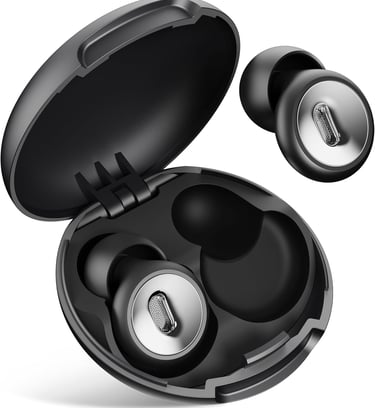
Noise-cancelling headphones (game-changer)
Decent chair (discomfort = distraction)
Second monitor (less window switching)
The Productivity Myths to Ignore
"Multitasking is efficient": It's not. Ever. 40% performance drop proven.
"I work better with music": Only if instrumental. Lyrics = language processing = distraction.
"Open office increases collaboration": It increases interruptions. That's it.
"Always available = good employee": Constantly distracted = bad work. Quality beats responsiveness.
Building Your Anti-Distraction Routine
Morning setup (5 mins):
Phone on silent, face down or away
Close all browser tabs
List 3 main tasks for day
Set first focus timer
Start with hardest task
During work blocks:
One task at a time
Timer visible
Notifications OFF
Batch similar tasks
Breaks are actual breaks
End of day:
Review what got done
Prep tomorrow's list
Close everything down
Leave work at work
The Reality Check
Perfect focus doesn't exist. You'll still get distracted. The goal is reducing distractions from 50 to 10, not 50 to 0.
Some days will be better than others. That's normal.
Who This Really Works For
These techniques help if you:
Have any control over your environment
Can batch communication checks
Want to leave work on time
Value deep work over busy work
Are tired of fake productivity
Won't work if:
Your job requires constant availability
You have zero workspace control
Your boss equates presence with productivity
You're in constant meetings anyway
The Time Saved (Real Numbers)
Implementing even half these strategies typically saves:
30-60 mins from reduced phone checking
30 mins from batch email/messages
30 mins from fewer interruptions
30 mins from better focus (less rework)
Total: 2-3 hours daily. That's 10-15 hours weekly of actual productive time.
Start This Afternoon
Pick ONE thing:
Move your phone across the room
Set three email check times
Clear your desk completely
Download a website blocker
Try one Pomodoro session
Don't overhaul everything. One change, one week, then add another.
The Bottom Line
You're not broken because you get distracted. You're human in a world designed to distract you. But with the right barriers between you and distractions, you can reclaim hours of productive time daily.
Start small. Be realistic. Watch how much more you achieve when you're actually focused.
Your future self who leaves work on time will thank you.
Ready to Beat the Distractions?
If you're serious about reclaiming your focus, these tools make the transition easier:




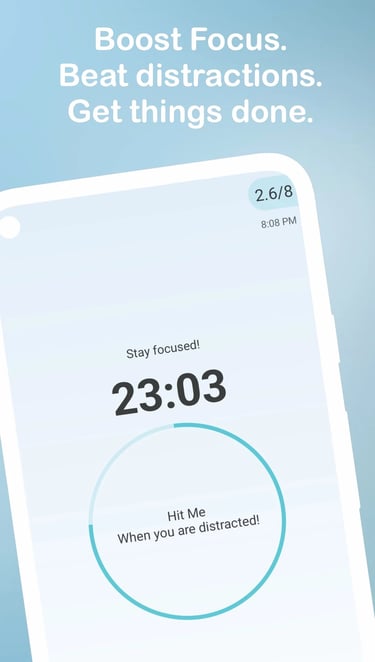
Engross: Focus Timer & To-Do (Free)
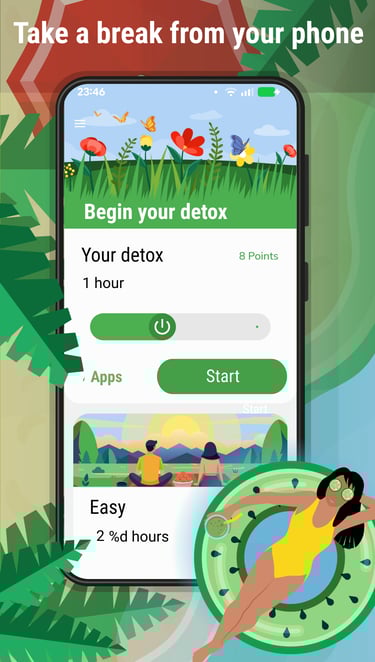
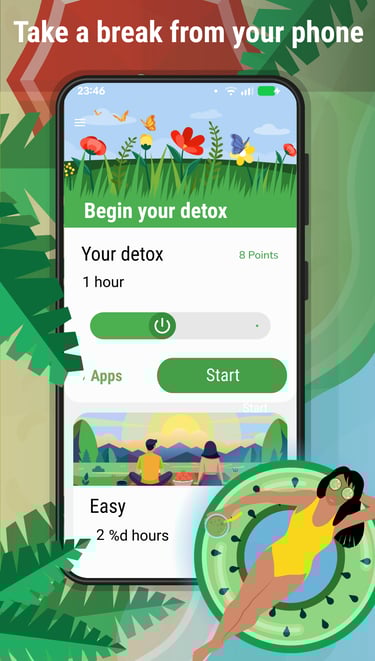
Digital Detox: Focus & Live (Free)