The Easiest Environmental Win Hiding in Plain Sight: Your Light Bulbs
Changing your bulbs cuts home energy use by 15%. It's the simplest way to reduce your carbon footprint without changing how you live.
WORLDHOME
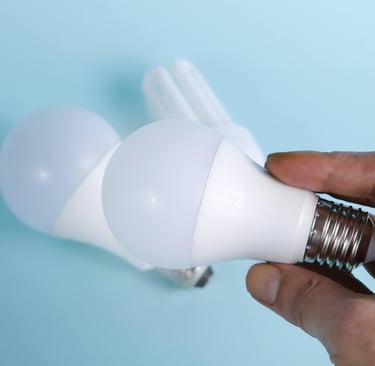
We all want to do our bit for the environment. But between remembering reusable bags, figuring out which plastics actually recycle, and feeling guilty about that flight to Spain, it's overwhelming.
So let's start with something genuinely simple: the light bulbs in your home.
Why Your Old Bulbs Are an Environmental Disaster
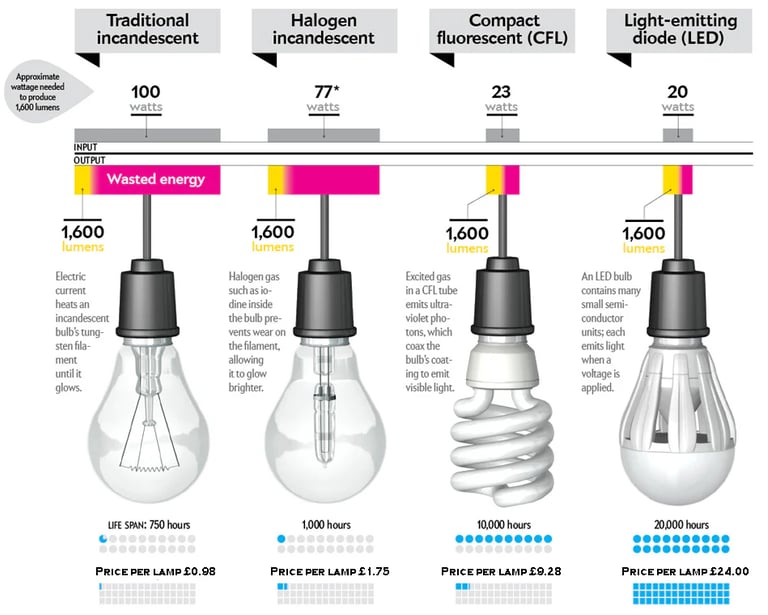
Those traditional incandescent bulbs aren't just inefficient – they're almost comically wasteful. When you flip a switch, 80% of the electricity gets converted into heat. Only 20% becomes light.
You're essentially running dozens of tiny heaters that happen to glow a bit. In terms of carbon emissions, it's like leaving your car idling for no reason.
The Numbers That Actually Matter
A typical UK home switching to LED bulbs:
Reduces lighting energy use by 80%
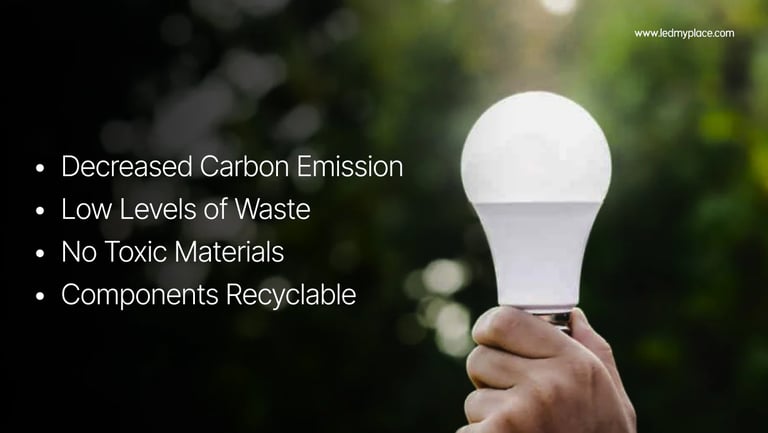
Cuts 80-100kg of CO2 emissions yearly
Equals driving 200-250 miles less per year
Eliminates 20+ bulb replacements over a decade (less manufacturing waste)
But It's Not Just About Carbon
The environmental impact goes beyond your electricity usage:
Manufacturing: LED bulbs last 10-20 years. Old bulbs? 1-2 years. That's 10-20 times fewer bulbs manufactured, packaged, transported, and landfilled.
Heat reduction: Less heat from bulbs means less air conditioning in summer, further reducing energy demand.
Peak grid stress: Efficient lighting reduces strain on the electricity grid during peak evening hours, meaning fewer backup power stations firing up.
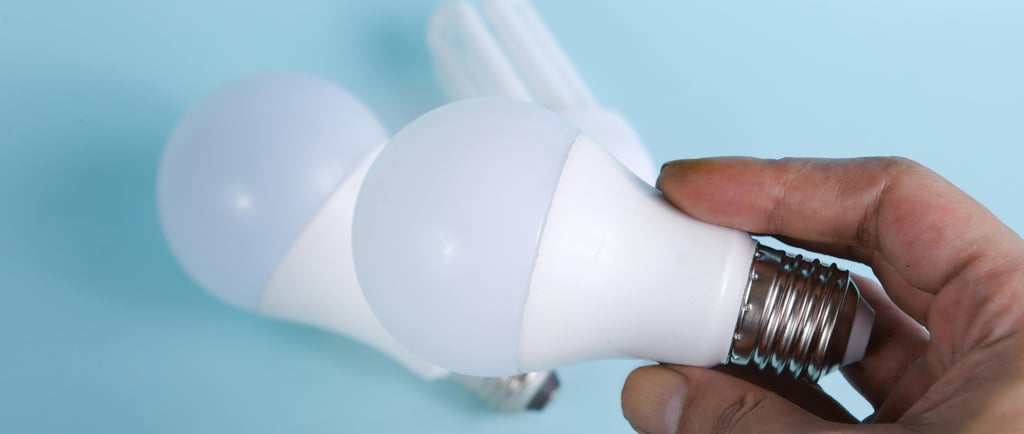
Mercury-free: Unlike CFLs (those spiral energy-savers), LEDs contain no mercury, making disposal safer.
Making the Switch Without the Overwhelm
The biggest barrier isn't cost or technology – it's the paradox of choice. Here's how to keep it simple:
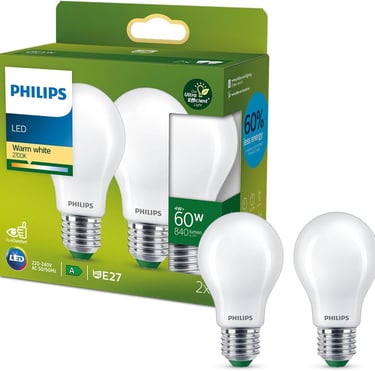
Start here: Replace your five most-used bulbs first. Living room, kitchen, hallway. Pick "warm white" (2700K) for a cosy feel identical to old bulbs.
One room at a time: Don't feel you need to do everything at once. Each bulb replaced is a win.
Match the mood: LEDs come in every colour temperature. Your home can feel exactly the same, just more efficient.
Beyond Basic Bulbs: Smarter Solutions
Want to reduce waste even further? Consider:
Motion sensors: Perfect for rooms you pass through. No more forgotten lights burning all day.
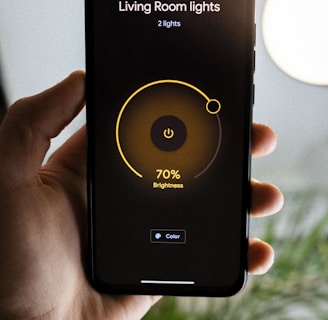
Smart bulbs: Schedule them to match your routine. Automatic dimming in evenings saves even more energy.
Solar options: Outdoor lighting that uses zero grid electricity.
But honestly? Even basic LED bulbs make a meaningful difference. Don't let perfect be the enemy of good.
Addressing the "But What About..." Questions
"The manufacturing impact of LEDs?"
Yes, they require more resources to make. But lasting 20 times longer more than offsets this. It's like buying one good coat versus twenty cheap ones.
"They're more expensive upfront"
True, but we're talking £3-5 per bulb. For something lasting a decade+, it's a rounding error. Plus, yes, your electricity bills drop.
"What about disposal?"
LEDs can be recycled at any household waste centre. But given their lifespan, this is a problem for 2035-you.
The Ripple Effect
Here's what's interesting: people who switch to LEDs often start noticing other energy waste. It's like a gateway drug to environmental awareness, but in a good way. You might find yourself:
Turning off lights when leaving rooms (because you're thinking about it)
Noticing other efficiency opportunities
Feeling more empowered to make other sustainable choices
Why This Matters Now
The UK's electricity grid is getting cleaner every year with more renewable energy. But we're also using more electricity than ever. Every efficiency gain helps the transition to fully renewable energy happen faster.
Your home might be a tiny fraction of national energy use. But multiply your lighting reduction by 27 million UK households, and suddenly we're talking about the equivalent of taking hundreds of thousands of cars off the road. You're literally helping prove that sustainable living doesn't require sacrifice.
The 15-Minute Climate Action
Want to make a genuine environmental difference today? Here's your action plan:
Order 5-10 warm white LED bulbs online (£30-50 total)
When they arrive, replace your most-used lights
Put the old bulbs in a box as "emergency spares"
Feel quietly smug every time you flip a switch
That's it. No lifestyle changes, no daily effort, no preaching to friends (unless they ask why your electricity bill dropped).
Small Change, Real Impact
Switching to LED bulbs won't solve climate change. But it's a genuine, measurable reduction in your environmental impact that requires almost zero effort. In a world where environmental choices often feel complicated or require sacrifice, this is refreshingly simple.
Every LED bulb is 80% less energy used. That's 80-100kg less CO2 per household yearly. It might not sound massive, but it's the equivalent of not driving to Edinburgh and back. From changing light bulbs.
Sometimes the best environmental choices are the boring ones that just quietly work.
Ready to cut your home's carbon footprint without changing how you live? Start with the light above your head.
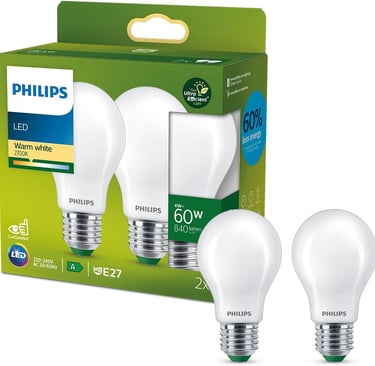
For maximum savings, we recommend these Philips Ultra-Efficient LED bulbs with their A-class energy rating: