Save 30 Minutes Every Week: The Case for a Food Processor
Stop spending 25+ hours a year on kitchen prep work. This common appliance transforms tedious chopping into 5-second tasks. Real time savings inside.
TIMEFOOD

Time Saved: ★★★☆☆ | Cost-Effectiveness: ★★★☆☆
Sunday meal prep. You've got your recipes lined up, ingredients ready, and then you look at that mountain of onions that need dicing. Twenty minutes later, you're still chopping, eyes watering, wondering if there's a better way.
There is. And it's probably sitting in someone else's kitchen right now, saving them half an hour every single week.
Here's the thing about cooking from scratch – we all want to do it. Fresh ingredients, healthier meals, knowing exactly what goes into our food. But when prep work eats up most of your cooking time, that enthusiasm fades fast.
Enter the food processor: the kitchen tool that sounds fancy but is actually just a time-saving workhorse in disguise.
What Can This Thing Actually Do?
Let's get specific. A decent food processor can:
Dice an onion in 5 seconds (versus 2-3 minutes by hand)
Grate a block of cheese in 10 seconds (versus 2 minutes and sore knuckles)
Chop nuts for baking in 10 seconds (versus 5 minutes of uneven chunks flying across your kitchen)
Slice a whole cucumber in 15 seconds with perfect uniformity
But here's what the product descriptions don't tell you: it's not really about the individual tasks. It's about completely changing how you approach cooking.
The Real Time Impact
When you start using a food processor regularly, something interesting happens. You stop avoiding recipes that call for finely chopped anything. That stir-fry with julienned vegetables? Actually doable on a weeknight. Homemade pesto? Three minutes instead of fifteen with a mortar and pestle.
It all adds up rather quickly. If you cook 4-5 times a week and save even 10 minutes per meal on prep work, you're looking at 30-40 minutes saved weekly. That's over 30 hours a year – nearly a full work week – that you're not spending hunched over a cutting board.
But Here's the Catch
Not everything needs to go in the food processor. Soft tomatoes? You'll get sauce. A single clove of garlic? More trouble than it's worth to clean the machine. And yes, there's cleanup time to factor in (though most parts are dishwasher-safe these days).
The key is knowing when to use it. Here's the simple rule: if you're prepping more than one cup of anything that needs chopping, dicing, or grating, grab the food processor. Less than that? Your knife is probably faster.
Making It Work in Real Life
The people who get the most value from their food processor share a few habits:
They keep it accessible – If it's buried in a cabinet, you won't use it. Counter space is earned by usage.
They batch prep – Chop all your onions for the week at once. Grate that whole block of cheese. The cleanup time is the same whether you process one onion or five.
They've learned the pulse button – The difference between diced vegetables and vegetable soup is about two seconds of processing. Pulse, don't puree.
Is It Worth Your Counter Space?
Here's why this earns 3 stars for both time saved and cost-effectiveness: it's a moderate investment (decent models run £30-120) that delivers consistent, moderate time savings. You won't suddenly have hours of free time, but you will notice that cooking feels less like a chore.
It's not life-changing. But it is Tuesday-night-changing. And sometimes that's exactly what you need.
Ready to Speed Up Your Prep?
If you're tired of spending more time chopping than cooking, a food processor might be the kitchen upgrade you've been missing. The time savings are real, the investment is reasonable, and your knives will thank you for the break.
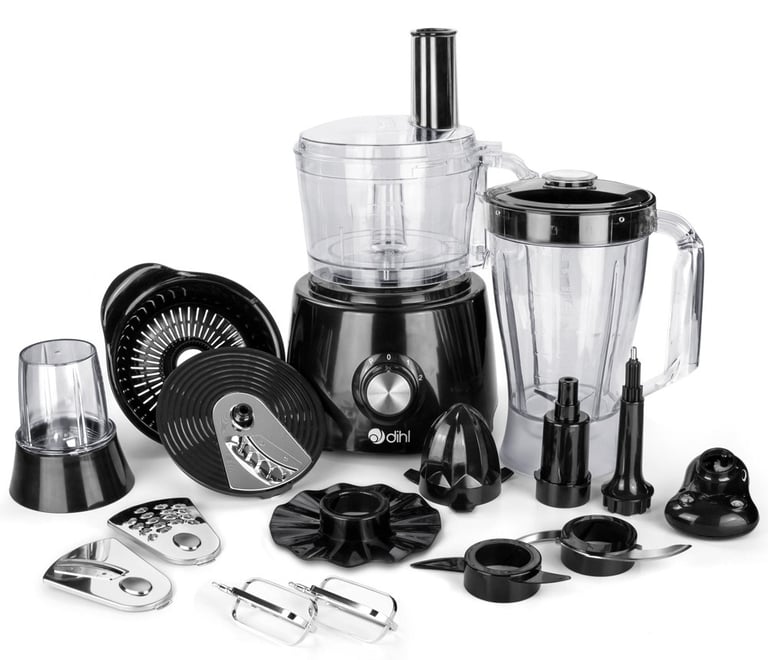
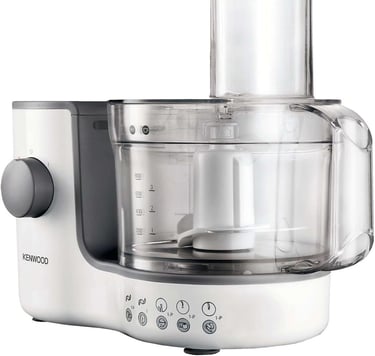
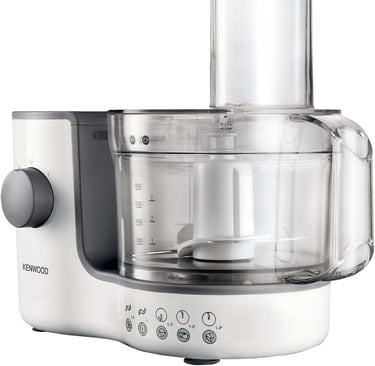
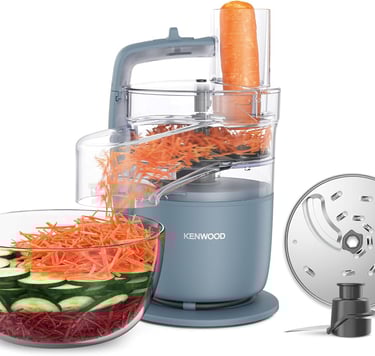
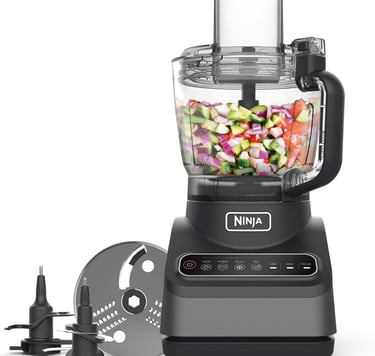
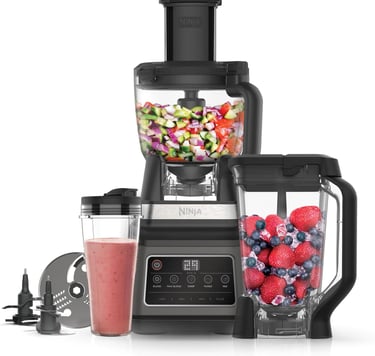
Here are a few tested options that balance performance with value: