That Guilt About Flying? Here's What Actually Helps (And What Doesn't)
Carbon offsetting isn't perfect, but for unavoidable flights, it's better than doing nothing. Here's how to do it properly.
WORLDTRAVEL


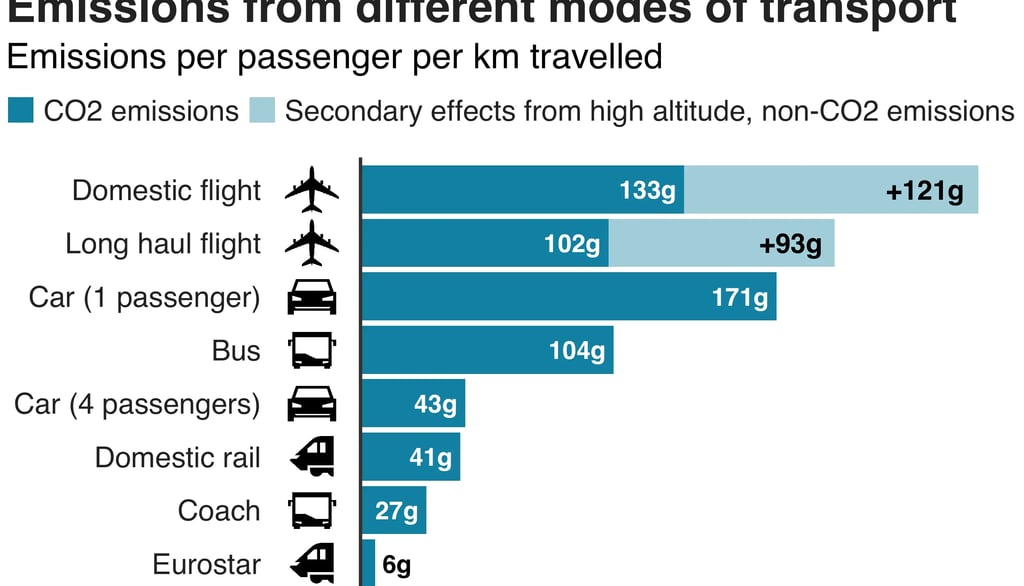
Let's be honest about something uncomfortable: if you care about the environment, flying is probably your biggest personal carbon sin. A return flight from London to New York produces more CO2 than the average person in dozens of countries produces all year.
The best option? Fly less. But we live in the real world where sometimes you need to fly – elderly relatives abroad, work requirements, that once-in-a-lifetime trip. So what then?
First, Let's Face the Brutal Numbers
One return flight London to:
Paris: 0.24 tonnes CO2 (same as 3 months of driving)
New York: 1.96 tonnes CO2 (average UK person's entire yearly carbon budget)
Sydney: 5.52 tonnes CO2 (more than many people produce in 5 years)
These numbers assume economy class. Business class? Double it. First class? Triple it.
The Uncomfortable Truth About Carbon Offsetting
Here's what offsetting actually means: you pay money to fund projects that theoretically remove or prevent the same amount of CO2 you've just pumped into the atmosphere. Tree planting, renewable energy projects, methane capture – that sort of thing.
The problems:
Trees take 20+ years to absorb the carbon you emitted today
Some offset projects would have happened anyway
It's incredibly hard to verify if offsets actually work
It doesn't reduce the immediate warming effect of high-altitude emissions
But here's the thing – it's still better than doing nothing.
How to Offset (If You're Going to Fly Anyway)
If you've genuinely tried to avoid flying but can't, here's how to offset responsibly:
Option 1: Through Your Airline
Many airlines offer offsetting at checkout. The good: it's convenient. The bad: airline schemes are often the cheapest, least effective options. They're better than nothing, but barely.
Option 2: Do It Properly with Atmosfair
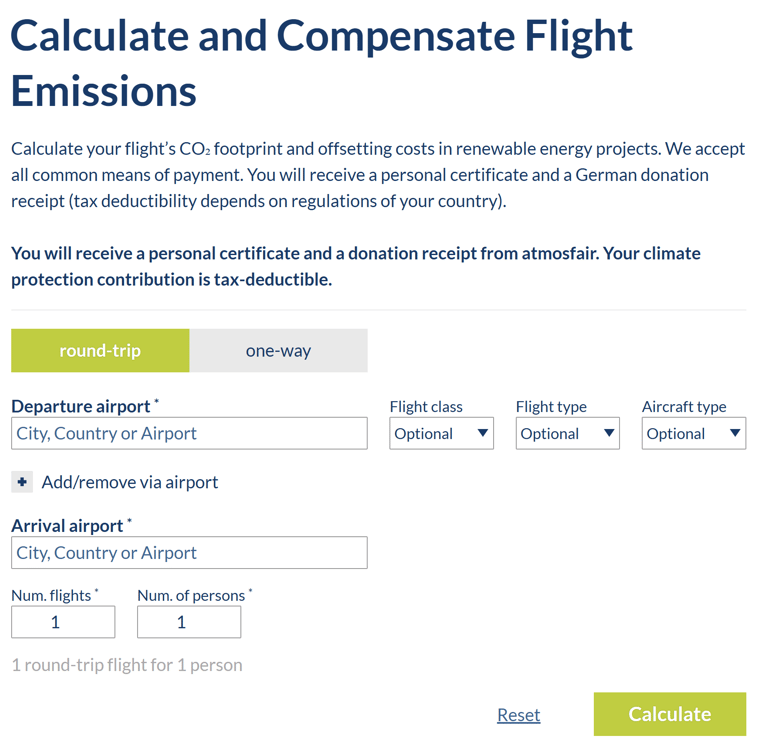
For serious offsetting, use Atmosfair (atmosfair.de) - a German non-profit with excellent transparency and Gold Standard certified projects. Their calculator is particularly good, factoring in specific aircraft types, routes, and seat classes to give you accurate emissions figures. Just enter your flight details and it tells you exactly what to offset.
What Makes a Good Offset Project?
The best offsets are:
Immediate impact: Renewable energy projects that prevent emissions NOW, not in 20 years
Additional: Projects that wouldn't happen without offset funding
Permanent: Not trees that might burn down or be cut later
Verified: Third-party certified, not just company promises
Examples: Clean cookstoves in developing countries, methane capture from landfills, wind farms in areas still using coal.
The "How Much Should I Pay?" Question
Real talk: proper offsetting isn't cheap. If you're paying £5 to offset a transatlantic flight, you're buying indulgences, not impact.
Realistic costs:
Short-haul Europe: £10-20
Medium-haul (US East Coast): £40-60
Long-haul (Asia/Australia): £80-150
Yes, that's a significant addition to your flight cost. That's rather the point.
Beyond Offsetting: Actually Reducing Impact
Offsetting is damage control, not a solution. Here's what actually helps:
Fly less: Combine trips, stay longer, choose closer destinations
Choose airlines wisely: Newer planes emit 20-30% less. Direct flights are always better than connections.
Economy not business: Less space = lower emissions per passenger
Support system change: Vote for politicians who'll tax aviation fuel properly
The Psychology Problem
Here's the danger of offsetting: it can make us feel better about flying, so we fly more. Psychologists call this "moral licensing" – doing something good (offsetting) gives us permission to do something bad (fly more).
Don't fall for it. Offset your unavoidable flights, yes. But don't let it become an excuse to fly more.
The Bottom Line on Flight Offsetting
Carbon offsetting is like recycling – it's better than throwing everything in the bin, but reducing consumption is always better. For flights you genuinely can't avoid:
Calculate your emissions accurately (Atmosfair's calculator at atmosfair.de is excellent for this)
Pay for proper offsets, not token gestures
Support additional carbon reduction in your daily life
Keep looking for alternatives to flying
Making Your Choice
Next time you book an unavoidable flight, add 10-15% to the cost for proper offsetting. Choose projects with immediate impact, not vague tree-planting schemes.
It's not perfect. It doesn't make flying "green." But it's taking responsibility for your emissions when alternatives aren't viable.
The ultimate goal? A world where we fly rarely and consciously, where aviation fuel is properly taxed, and where high-speed rail makes short-haul flights obsolete. Until then, offsetting unavoidable flights is harm reduction, not a solution.
But sometimes, harm reduction is the best we can do.