Cook Once, Eat Four Times: The Time-Saving Method That Actually Works
Batch cooking saves 2-3 hours weekly for anyone cooking regularly. Here's why Sunday meal prep isn't just for fitness influencers.
HOMEFOODTIMESHOPPING


Time Saved: ★★★★☆ | Cost-Effectiveness: ★★★★☆
Let me paint you a familiar picture. It's 7pm on a Wednesday. You're knackered from work, staring into the fridge, and the thought of chopping onions makes you want to cry. So you order another takeaway, telling yourself tomorrow will be different.
What if I told you that one afternoon of cooking could eliminate this scenario for the entire week?
Batch Cooking: Not Just for Meal Prep Bros
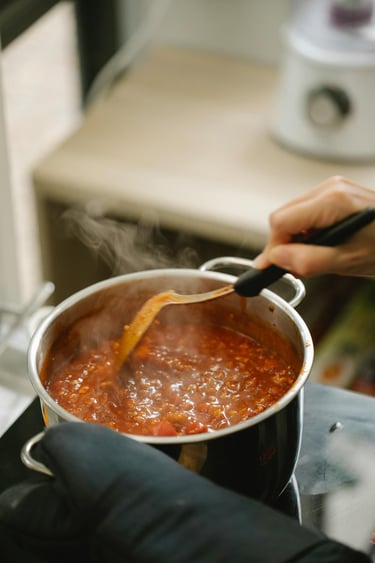
Forget those Instagram posts of 47 identical chicken-and-rice containers. Real batch cooking is simply making double (or triple) when you're cooking anyway. Already making bolognese? Make enough for four meals instead of one. The active cooking time? Maybe 10 minutes extra.
But those 10 minutes save you from cooking three more times this week. That's maths even I can get behind.
The Actual Time Savings Breakdown
Average meal from scratch: 45 minutes (including prep, cooking, cleanup)
Batch cooking 4 portions: 60-70 minutes total
Time per meal: 15-17 minutes
Saving per meal: 28-30 minutes
Weekly savings for someone cooking most nights: 2-3 hours minimum.
What Actually Works for Batch Cooking
Winners:
Curries, stews, chillies (actually improve with time)
Bolognese, lasagne, pasta bakes
Soups (freeze brilliantly)
Roasted vegetables (versatile all week)
Cooked grains and pulses
Marinated meats (cook fresh but prep in advance)
Don't bother:
Anything crispy (goes soggy)
Delicate salads (obviously)
Fish (unless you like the office microwave revenge)
Cream-based sauces (split when reheated)
Anything you're already sick of
The Psychology of Why This Works
The magic isn't just time saved. It's decision fatigue eliminated. When you're hungry and tired, "what's for dinner?" becomes overwhelming. But "which container from the fridge?" That's easy. You've pre-made the hard decision when you had energy.
Plus, you're way less likely to waste money on takeaways when there's literally a homemade meal waiting that just needs 2 minutes in the microwave.
The Realistic Batch Cooking Schedule
Sunday (or your day off):
2-3 hours cooking
Make 2-3 different dishes in larger quantities
Portion everything immediately (crucial - don't leave it "for later")
Label with contents and date
Weekdays:
Grab container
Reheat
Maybe cook some fresh pasta or rice
Done in under 10 minutes
The Container Game Changes Everything
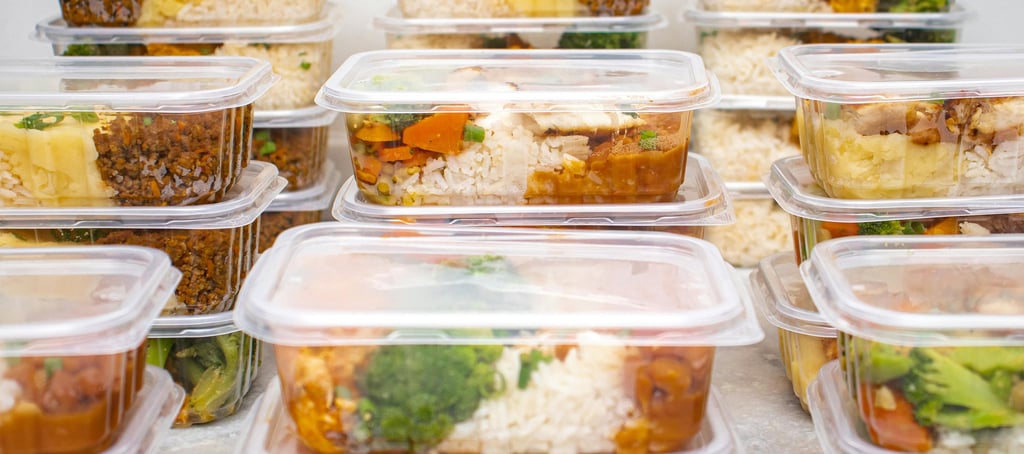
Proper storage is the difference between "meal prep master" and "science experiment creator":
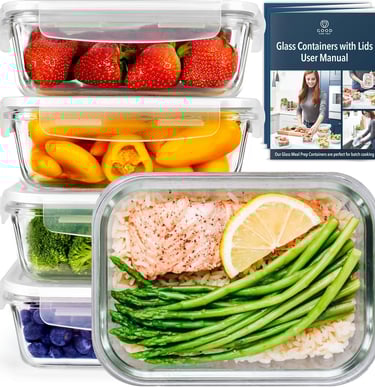
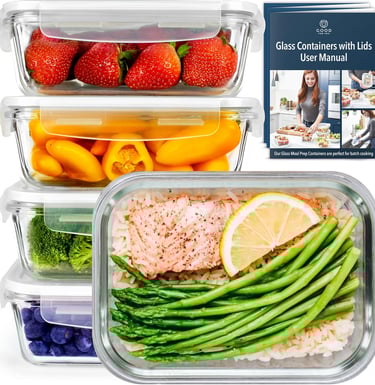
Glass containers: Best for reheating, no weird plastic taste
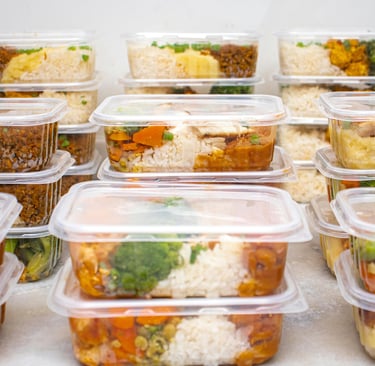
Same-size stackable: Fridge Tetris is real
Leak-proof: Because curry in your work bag isn't professional
Freezer-safe: Batch cooking's best friend
Clear lids: See what's inside without playing mystery container roulette
Common Batch Cooking Mistakes
Overambitious starts: Don't prep 21 meals first time. Start with doubling one recipe.
Boring repetition: Make different things. Nobody wants chilli five nights running.
Ignoring preferences: Hate reheated pasta? Don't batch cook pasta. Simple.
Poor timing: Don't batch cook when hangry. You'll eat half before storing it.
Forgetting vegetables: Pre-chopped veg saves time but goes off quickly. Roasted veg lasts days.
Who This Actually Works For
Batch cooking makes sense if you:
Cook regularly anyway
Have decent freezer space
Don't mind eating "leftovers" (they're not leftovers, they're "meal prep")
Value free time over meal variety
Spend too much on convenience food
Skip it if you:
Rarely cook anyway
Live in a shared house with thieving housemates
Need different meals daily
Have minimal storage space
Travel constantly
The Money Side (Since We're Being Honest)
Initial container investment: £30-50
Weekly food shopping: About the same (buying bulk vs. daily)
Weekly takeaway savings: £20-60 easily
Monthly savings: £80-240
The containers pay for themselves in two weeks of not ordering Friday night curry.
Advanced Batch Cooking (Once You're Hooked)
Prep, don't cook: Marinate meats, chop vegetables, make sauces. Fresh cooking, zero prep time.
Component cooking: Cook grains, proteins, and veg separately. Mix and match all week.
Freezer meals: Double-batch and freeze half. Future you will be grateful.
Slow cooker Sunday: Chuck everything in, go live your life, return to a week of meals.
The Bottom Line
Batch cooking isn't revolutionary. It's not Instagram-worthy. It's just the logical approach to cooking that saves hours weekly with minimal extra effort.
Start small. This Sunday, just double whatever you're making anyway. See how it feels to open the fridge on Monday night and have dinner sorted. That feeling? That's hours of your life returned to you.
Ready to Reclaim Your Weeknight Evenings?
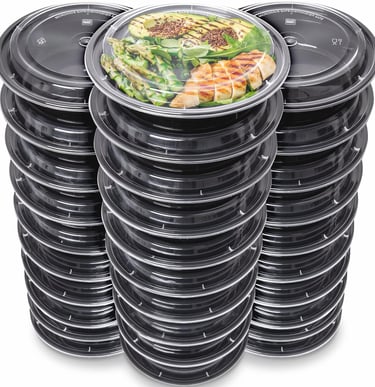
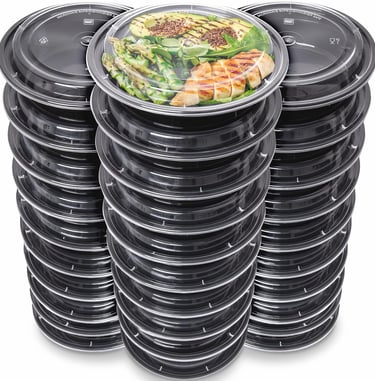
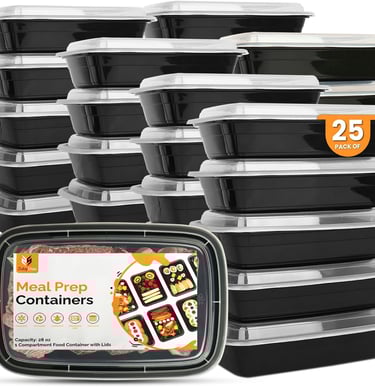
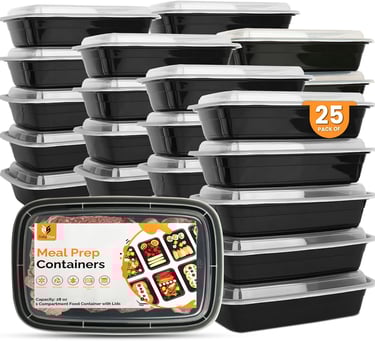
If you're convinced to try batch cooking, you'll need proper storage to make it work. Here are the containers that'll actually last: